DELTARUNE Battles Party Comp Tier
Rank group setups by communication and role clarity—not by invented loadouts.
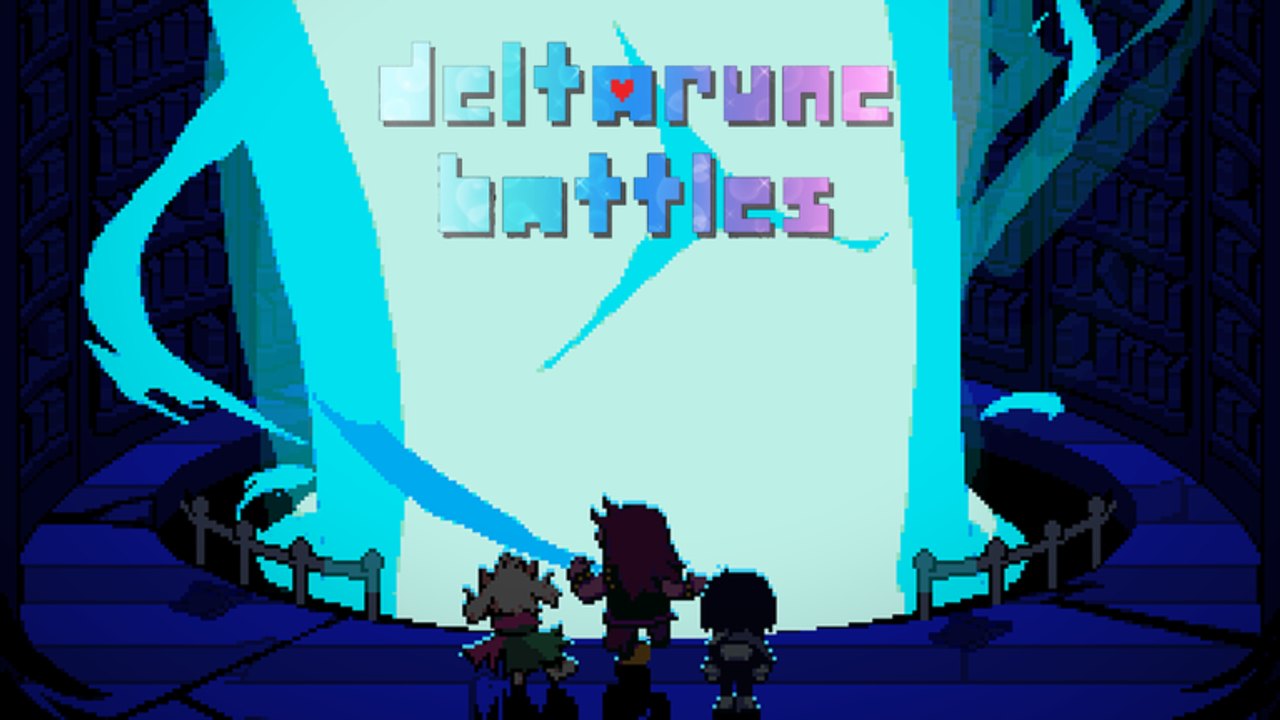
What “comp” means in a WIP battle fangame
In finished RPGs, party composition often means classes, weapons, and synergy charts. DELTARUNE Battles is an early WIP Roblox fangame by dreamysdead, and the standout group feature called out in public materials is simpler and more social: when two or more players share a party, you can fight through party battles. This tier page therefore ranks coordination styles and role clarity, not a fake gear spreadsheet.
If you need the mechanical overview first, read Party Battles. For solo difficulty order, use Enemy Tier List. New groups should still start at Getting Started so everyone shares the same control language before arguing about S-tier vibes.
Ranking criteria for online parties
We score comps on:
- Caller clarity — Does one person announce menu windows without drowning the lobby?
- Bind parity — Can every player confirm (Z/K), cancel (X/L), and open menus (C/M) without apologizing every turn?
- Retry etiquette — Are resets consensual, or does one player yank the room mid-read?
- Tilt resistance — After a messy round, can the group return to Mid-level focus?
- Fair rivalry — Does the setup still feel fun if the strongest player is not carrying?
Automation does not appear in these ranks. The Scripts Hub explains why we are not listing scripts for this exact experience. Promo codes also do not factor in; see Codes Hub for the empty status board.
S-tier coordination — the shared-language party
S-tier is not “three cracked players who never speak.” It is a group that can explain the plan in one sentence before the fight starts. Typical traits:
- Everyone skimmed Controls or the Controls Cheatsheet the same week.
- One designated caller owns “open menu now” / “hold movement” calls.
- Resets require a quick yes from the room.
- The group warms up with a short Dojo visit (Castle Town Dojo) so binds are awake.
- After a wipe, they name the mistake instead of blaming lag by default.
S-tier comps feel fair even when skill gaps exist, because the weaker player knows when to act and when to breathe. If your lobby wins only when one person solos the reading for everyone else, you are not S-tier—you are a carry showcase.
A-tier — solid rivalry with small gaps
A-tier parties win most friendly sets and recover quickly from awkward menus. They usually have:
- Two players who already understand Battle Basics.
- A third player still learning Mid pressure from the Enemy Tier List, but willing to follow calls.
- A simple house rule list (no surprise resets, no insult spam, one teaching round per night).
Common A-tier failure mode: everyone talks at once during a dense pattern. Fix it by appointing a single caller for the next three rounds. Another failure mode: skipping the Battle Prep Checklist and discovering mid-fight that someone never agreed to a best-of ruleset.
B-tier — fun, noisy, inconsistent
B-tier is the default public-server energy. People are friendly, binds are half-remembered, and someone opens the menu with C/M at the worst moment. You can still have a great night here if you lower the stakes.
How to enjoy B-tier without pretending it is ranked play:
- Announce that rounds are for laughs and learning.
- Keep a Training or Mid Dojo warmup available for anyone who is lost.
- Rotate the caller role so one person does not burn out.
- End on a clean round, not on a tilt spiral.
B-tier becomes A-tier when the group invests one short session in shared controls literacy. It slides toward chaos when players treat every mis-cancel as a personal attack.
C-tier — broken social contracts
C-tier setups are less about mechanical weakness and more about mismatched expectations:
- One player wants sweaty rivalry; another wants sightseeing.
- Someone repeatedly resets without consent.
- A lobby member keeps pushing unverified “win tools” after you already said no (point them to Script Safety and move on).
- Nobody knows whether you are practicing Dojo patterns or running party versus.
Repair path: pause, restate the mode, run the prep checklist aloud, and restart with a Mid-intensity goal. If repair fails, leave politely. WIP fangames should not cost your evening mood.
Role labels that travel well
Until the experience publishes a stable class sheet worth wiki tables, use lightweight social roles:
- Caller — owns timing language; not necessarily the best dodger.
- Anchor — stays calm on movement; models clean SOUL lanes.
- Coach — speaks only between rounds; reviews one pattern note.
- Wildcard — newer player with permission to ask “what was that?” without shame.
Swap roles across a session. A party that can rotate Caller without collapsing ranks higher than a party stuck in permanent hierarchy. Cross-link coaching moments to How to Beat Dojo Enemies so advice stays specific.
Suggested party night ladder
- Join the correct place from Wiki Links.
- Confirm party size is 2+ before promising versus rounds.
- Run Battle Prep Checklist as a group read.
- One Mid Dojo warmup for bind sync.
- Party battle set with a pre-agreed length.
- Optional High Chaos showcase only if everyone opts in.
- Cool-down and note one improvement for next time; skim Updates Hub if something felt newly tuned.
This ladder keeps comps honest. Skipping straight to chaos clips trains highlight addiction, not coordination.
Fairness rules worth writing in chat
Copy-paste a short charter before ranked-feeling sets:
- No executors, no account-sharing experiments, no “trust me bro” pastes.
- Caller announcements beat simultaneous shouting.
- Teaching rounds are allowed; silent judgment is not.
- If the WIP updates mid-session, pause and re-test binds.
Remind the room that DELTARUNE Battles is not affiliated with Toby Fox. You are ranking a Roblox fangame night, not official chapter strategy.
Comps we deliberately do not publish
We will not invent named team comps tied to unreleased classes, fake items, or scripted win conditions. If a future update adds persistent loadouts worth charting, this page can grow. Until then, coordination tiers remain the truthful unit of rank. For solo order of practice foes, stay on Enemy Tier List. For broader philosophy, return to the Tier List Hub.
Related hubs
- Guides Hub — especially party battles and controls.
- Tools Hub — cheatsheet and checklist for live sessions.
- Scripts Hub — why empty script lists protect your group.
- Codes Hub — gifts are not a party-balance plan.
Pick a coordination tier that matches your friends’ energy, then earn cleaner rounds through shared language—not through myths about secret comps.
Frequently Asked Questions
Quick answers for Dojo practice, party fights, and WIP updates.
How many players do party battles need?
Public materials describe party battles when two or more players are in the party. Confirm live in your build before planning a full rivalry night.
What makes an S-tier party comp here?
Shared controls literacy, a clear caller, consensual resets, and fair rivalry—not invented loadouts or scripts.
Should we practice Dojo before party versus?
Yes. A short Mid warmup in the Castle Town Dojo syncs binds and reduces mis-cancels.
Do promo codes change party tiers?
No. There are no publicly confirmed codes. Rank coordination and etiquette instead.